


.png)

_1744700986_WNo_1600d900.webp)
China’s aluminium doors and windows industry dominates globally, propelled by rapid urbanization, rising demand for energy-efficient building solutions, and an increasingly powerful export market. In 2026, China captures over 22% of the global aluminium fenestration market, as reported in the Aluminum Doors and Windows Market Size, Share, Growth | 2032. Fueled by advances in thermal break technology, CNC aluminium machining, and intelligent manufacturing automation, Chinese manufacturers are setting new benchmarks in product quality, precision, and scalability. This article showcases the top 10 aluminium doors and windows manufacturers in China in 2026, detailing their expertise, product portfolios, certifications, and contributions to the global fenestration sector. Whether you are an architect, developer, importer, or procurement specialist, this guide will help you identify the right manufacturing partner for your next project.
The table below provides a rapid overview of the top 10 aluminium doors and windows manufacturers in China featured in this guide, covering their location, founding year, key product focus, and primary export markets:
| Manufacturer | HQ | Est. | Key Products | Export Markets | Key Certification |
|---|---|---|---|---|---|
| OPPEIN | Guangzhou | 30+ yrs | Custom aluminium windows, sliding doors | Global | ISO 9001 |
| Mannlee | Foshan | 1998 | Energy-saving windows, curtain walls | Europe, Asia | CE, ISO 9001, AAMA |
| YY Windows | Shanghai | 1999 | Impact-resistant windows, sliding doors | N. America, AU | AAMA, NFRC |
| Mylch | Beijing | 1996 | Luxury windows, sunroom systems | 20+ countries | ISO 9001 |
| Paiya | Foshan | 1990 | Aluminium alloy windows, folding doors | Europe, Asia | ISO 9001 |
| Diaosi | Foshan | 2005 | Aluminium-wood composite, system doors | Global | Top 100 Brand CN |
| Wanjia | Foshan | 2012 | Aluminium windows, glass facades | N. America, AU | ISO 9001, BV, SGS |
| Phonpa | Foshan | 2007 | Panoramic windows, sunrooms | AU, SE Asia | ISO 9001, ISO 14001 |
| Warren | Beijing | 10+ yrs | Luxury aluminium windows, premium doors | N. America, Europe | NAFS, NAMI, NFRC, CSA |
| Aoland | Shanghai | 2016 | High-end windows, curtain wall systems | N. America, Europe, AU | NFRC, AAMA, AS2047 |
Headquarters: Guangzhou, China
Established: Over 30 years ago
Key Products: Custom aluminium windows, sliding doors, casement windows
Overview: OPPEIN is one of the most recognized aluminium doors and windows manufacturers in China, setting global benchmarks with its innovative product portfolio. Specializing in custom aluminium windows, sliding doors, and casement windows, OPPEIN integrates thermal break technology and double-glazing systems to deliver superior energy efficiency for residential and commercial projects worldwide. Its advanced manufacturing facilities — equipped with CNC machining centers and automated assembly lines — produce durable, dimensionally precise, and aesthetically versatile aluminium fenestration products. OPPEIN holds ISO 9001 certification and full RoHS compliance, making it a trusted partner for architects, developers, and international distributors seeking premium, specification-grade aluminium windows and doors. In 2026, OPPEIN continues to invest in smart manufacturing and sustainable design to meet the evolving demands of global green building standards.
Website: https://www.oppeinhome.com/
OPPEIN, headquartered in Guangzhou, China, has been a prominent player in the aluminium doors and windows manufacturing industry for over 30 years. Established as a leader in innovative aluminium solutions, OPPEIN specializes in custom aluminium windows, sliding doors, and casement windows, serving both residential and commercial markets worldwide. The company’s commitment to quality, sustainability, and technological advancement has solidified its reputation as a trusted partner for architects, developers, and builders. This evaluation provides a detailed analysis of OPPEIN’s operations, strengths, weaknesses, market position, and future prospects based on available information.
OPPEIN operates advanced manufacturing facilities in Guangzhou, equipped with state-of-the-art machinery, including CNC systems and automated production lines. These facilities enable high-precision production of aluminium windows and doors, ensuring consistency and scalability. The company’s adoption of thermal break technology, which enhances energy efficiency by reducing heat transfer, is a key differentiator in its product offerings. Additionally, OPPEIN’s adherence to ISO 9001 standards underscores its commitment to quality control and process optimization.
OPPEIN’s core products include custom aluminium windows, sliding doors, and casement windows, designed to meet diverse aesthetic and functional requirements. These products are engineered for durability, energy efficiency, and sound insulation, making them suitable for various climates and architectural styles. The company’s ability to offer tailored solutions allows it to cater to unique project specifications, from high-end residential developments to large-scale commercial buildings. However, the product range, while specialized, is relatively focused compared to competitors offering broader fenestration materials like uPVC or timber.
Sustainability is a cornerstone of OPPEIN’s operations. The company prioritizes recyclable aluminium and energy-efficient designs, such as thermal break systems, to reduce the environmental impact of its products. Its manufacturing processes are designed to minimize waste, and OPPEIN seeks eco-conscious suppliers to align with its green objectives. These efforts position OPPEIN favorably in markets with stringent environmental regulations and growing demand for sustainable building materials.
OPPEIN is a leading name in China’s aluminium doors and windows industry, competing with domestic giants like Xingfa Aluminium and international brands such as Schüco and Reynaers. Its competitive edge lies in its customization capabilities, energy-efficient technologies, and adherence to global quality standards. However, the aluminium fenestration market is highly competitive, with price sensitivity and material costs posing challenges. OPPEIN’s focus on premium, high-performance products may limit its penetration in cost-driven markets.
OPPEIN serves a global clientele, with a presence in Asia, Europe, North America, and other regions. Its ability to adapt products to regional standards, such as wind resistance in coastal areas or thermal insulation in colder climates, enhances its appeal. The company’s international expansion is supported by its robust supply chain and distribution network. However, navigating diverse regulatory frameworks and cultural preferences across markets requires ongoing investment in localization and compliance.
OPPEIN is widely regarded as a benchmark in the industry, known for its innovative designs and reliable performance. Its ISO 9001 certification and project portfolio, showcased on its website (https://www.oppeinhome.com/), reinforce its credibility. Positive feedback from architects and developers highlights OPPEIN’s ability to deliver on complex, high-profile projects. Nonetheless, limited visibility in some markets compared to global competitors may hinder brand recognition in certain regions.
While specific financial data is not publicly available, OPPEIN’s long-standing presence and global reach suggest stable revenue streams driven by consistent demand for high-quality aluminium products. Its investments in advanced manufacturing and sustainability initiatives indicate a forward-thinking approach to operational efficiency. However, exposure to raw material price volatility and competitive pressures may require strategic cost management to maintain profitability. Expanding into emerging markets and diversifying product offerings could further strengthen its financial position.
OPPEIN is a well-established leader in the aluminium doors and windows industry, distinguished by its customization capabilities, energy-efficient technologies, and commitment to sustainability. Its strengths in innovation and quality position it favorably in premium markets, while its global reach and adherence to international standards enhance its competitiveness. However, challenges such as a narrow product focus, price sensitivity, and intense competition require strategic adjustments. By leveraging opportunities in green construction, emerging markets, and smart technologies, OPPEIN can further solidify its position as a global leader in fenestration solutions.
Headquarters: Foshan, Guangdong, China
Established: 1998
Key Products: Energy-saving aluminium windows, folding doors, curtain walls
Overview: Mannlee ranks prominently among aluminium doors and windows manufacturers in China, operating from Foshan’s globally renowned aluminium manufacturing hub. Its energy-saving aluminium windows and folding doors are engineered for superior thermal insulation, excellent soundproofing, and long-term durability, making them ideal for modern architecture. Mannlee’s aluminium doors and windows hold rigorous CE, ISO 9001, AAMA, NFRC, SAI Global, SASO, and UL certifications, ensuring unwavering reliability for international markets. By leveraging automated CNC production lines and Low-E glazing systems, Mannlee delivers high-volume orders of aluminium curtain walls and fully customized fenestration solutions, serving clients across Europe, Asia, the Americas, and the Middle East with consistently exceptional quality.
Website: https://mannleeco.com/
Mannlee, established in 1998, is a leading manufacturer of aluminium doors, windows, and curtain walls, based in Foshan, Guangdong, China—a renowned hub for aluminium production. With over two decades of experience, Mannlee specializes in energy-saving aluminium windows, folding doors, and curtain walls, catering to modern architectural demands. The company’s commitment to quality, innovation, and global standards has positioned it as a trusted supplier in international markets, including Europe, Asia, and beyond. This evaluation provides an objective analysis of Mannlee’s operations, strengths, weaknesses, market position, and future prospects based on available information.
Mannlee operates from a modern production facility in Foshan, leveraging automated production lines and high-standard imported machinery to ensure precision and efficiency. The company’s advanced manufacturing capabilities enable it to produce high-volume orders of aluminium windows, folding doors, and curtain walls with consistent quality. Its use of thermal break technology enhances the energy efficiency of its products, reducing heat transfer and meeting the demands of eco-conscious projects. Mannlee’s facilities are equipped with automated CNC equipment, allowing for scalability and customization to meet diverse client specifications.
Mannlee’s core offerings include energy-saving aluminium windows, folding doors, and curtain walls, designed for superior thermal insulation, durability, and aesthetic appeal. Its windows and doors incorporate features like low-emissivity (Low-E) coatings and double-glazed glass, ensuring excellent energy efficiency and soundproofing. The folding doors, including bi-fold and accordion designs, are ideal for patios and large openings, offering seamless indoor-outdoor transitions and robust weather resistance. Mannlee’s curtain walls are used in high-profile projects, such as skyscrapers, showcasing its engineering prowess. While its aluminium-focused portfolio is robust, it lacks diversification into other materials like uPVC or wood, which some competitors offer.
Mannlee prioritizes sustainability by using recyclable aluminium and environmentally friendly raw materials that comply with international standards. Its energy-saving products, such as thermal break windows and Low-E glass doors, contribute to reduced energy consumption in buildings, aligning with global green building trends. The company’s automated production processes are designed to minimize waste, and its commitment to a clean on-site environment reflects its environmental responsibility. These efforts enhance Mannlee’s appeal in markets with strict environmental regulations.
Mannlee ranks prominently among aluminium doors and windows manufacturers in Foshan, competing with regional players like Foshan Wanjia and international brands such as Schüco. Its focus on energy-efficient, certified products gives it a competitive edge in premium markets. However, the aluminium fenestration industry is highly competitive, with price-sensitive segments and fluctuating raw material costs posing challenges. Mannlee’s emphasis on high-quality, customized solutions may limit its penetration in budget-conscious markets.
Mannlee serves a diverse international clientele across Europe, Asia, the Americas, and the Middle East, supported by a robust supply chain and export experience since 2003. Its products comply with global standards like CE, ISO 9001, SGS, AAMA, NFRC, SAI Global, SASO, and UL, ensuring reliability for overseas projects. The company’s ability to customize products for specific regional requirements, such as hurricane-proof windows for the U.S. or high-insulation doors for Europe, strengthens its global presence. However, navigating complex international regulations and logistics, with shipping times of 30–45 days to Europe, requires ongoing investment.
Mannlee enjoys a strong reputation for quality and innovation, bolstered by its extensive certifications and collaborations with top architects and builders. Customer feedback highlights the durability, energy efficiency, and sleek design of its products, as seen in projects like Dubai villas and Shanghai office buildings. Its website (https://mannleeco.com/) showcases a comprehensive portfolio and provides consultation services, enhancing client engagement. However, Mannlee’s brand visibility in some markets lags behind global leaders due to limited marketing efforts in certain regions.
While specific financial data is unavailable, Mannlee’s established presence, modern facilities, and global project portfolio suggest stable revenue streams. Its focus on high-margin, energy-efficient products and certifications supports profitability in premium markets. Operational efficiency, driven by automation and strict material control, likely optimizes costs, though exposure to aluminium price fluctuations remains a risk. Expanding into emerging markets and diversifying product offerings could enhance long-term growth.
Mannlee is a formidable player in the aluminium doors and windows industry, distinguished by its energy-efficient products, global certifications, and advanced manufacturing capabilities. Its focus on sustainability and customization aligns with modern architectural trends, ensuring strong demand in premium and eco-conscious markets. However, challenges like limited material diversity, premium pricing, and intense competition necessitate strategic adaptations. By diversifying its portfolio, enhancing brand visibility, and embracing smart technologies, Mannlee can further solidify its position as a global leader in fenestration solutions.
Headquarters: Shanghai, China
Established: 1999
Key Products: Aluminium alloy windows, impact-resistant windows, sliding doors
Overview: YY Windows stands out as a top aluminium alloy doors and windows manufacturer in China, renowned for its resilient, weather-resistant fenestration products. Its impact-resistant aluminium windows and sliding doors are specifically engineered to withstand extreme weather conditions — including high-velocity winds, driving rain, and storm events — making them the preferred choice for coastal, typhoon-prone, and high-wind regions across North America, Australia, and Southeast Asia. YY Windows deploys cutting-edge CNC machining and automated quality control to produce aluminium doors and windows that balance structural strength with sleek, contemporary aesthetics. Its deep focus on precision manufacturing and full customization ensures tailored solutions for the most demanding architectural briefs in both domestic and international markets.
Website: https://www.yywindow.com/
YY Windows, established in 1999 and headquartered in Shanghai, China, is a leading manufacturer of aluminium alloy doors, windows, and related products. Renowned for its resilient aluminium alloy windows, impact-resistant windows, and sliding doors, YY Windows has carved a niche in producing solutions tailored for extreme weather conditions, particularly in coastal and high-wind regions. With a focus on precision, customization, and cutting-edge manufacturing, the company serves both domestic and international markets, delivering products that balance strength, durability, and aesthetic appeal. This evaluation provides an objective analysis of YY Windows’ operations, strengths, weaknesses, market position, and future prospects based on available information.
YY Windows operates advanced manufacturing facilities in Shanghai, leveraging state-of-the-art technologies such as automated CNC machining and precision assembly lines. These capabilities enable the company to produce high-quality aluminium alloy windows and doors with consistent standards and scalability. The company’s focus on impact-resistant designs incorporates robust aluminium frames, reinforced glass, and weatherproof seals, ensuring durability in harsh environments. YY Windows’ emphasis on precision manufacturing supports its ability to deliver customized products tailored to specific architectural and climatic requirements.
YY Windows’ core offerings include aluminium alloy windows, impact-resistant windows, and sliding doors, designed for strength, energy efficiency, and modern aesthetics. Its impact-resistant windows are engineered to withstand high winds and storms, making them ideal for coastal regions prone to hurricanes or typhoons. The sliding doors combine functionality with sleek designs, offering space-saving solutions for residential and commercial spaces. YY Windows also provides customizable options, such as various frame finishes, glass types, and hardware, to meet diverse client needs. However, its product range is primarily aluminium-focused, lacking diversification into alternative materials like uPVC or timber, which some competitors offer.
YY Windows demonstrates a commitment to sustainability by using recyclable aluminium and incorporating energy-efficient features, such as thermal break technology and double-glazed glass, into its products. These features reduce heat transfer and improve insulation, contributing to lower energy consumption in buildings. The company’s manufacturing processes aim to minimize waste, and it adheres to environmentally friendly practices in material sourcing and production. While these efforts align with global green building trends, YY Windows could further enhance its sustainability profile by pursuing additional certifications or publicizing its eco-friendly initiatives more prominently.
YY Windows is a top-tier player in China’s aluminium doors and windows industry, competing with domestic manufacturers like OPPEIN and Mannlee, as well as international brands such as Pella and Andersen. Its specialization in impact-resistant products gives it a competitive advantage in markets with extreme weather conditions. However, the aluminium fenestration market is highly competitive, with price sensitivity and raw material costs posing challenges. YY Windows’ focus on premium, resilient products may limit its appeal in cost-driven segments, where lower-priced alternatives dominate.
YY Windows serves both domestic and export markets, with a presence in regions such as North America, Southeast Asia, and Australia, where demand for impact-resistant fenestration is high. Its products are designed to meet international standards, ensuring compliance with regional building codes and performance criteria. The company’s ability to customize solutions for specific climatic conditions, such as hurricane-prone areas, enhances its appeal in global markets. However, navigating diverse regulatory requirements and managing export logistics, including shipping times and costs, requires ongoing investment to maintain competitiveness.
YY Windows enjoys a strong reputation for producing resilient and elegant aluminium products, as evidenced by its project portfolio and client feedback. Its impact-resistant windows and sliding doors are praised for their durability and aesthetic versatility, making them a preferred choice for architects and developers. The company’s website (https://www.yywindow.com/) showcases its product range, customization options, and case studies, serving as an effective platform for client engagement. However, YY Windows’ brand visibility in some international markets may be limited compared to global leaders, potentially due to modest marketing efforts.
Although specific financial data is not publicly available, YY Windows’ established market presence, advanced manufacturing capabilities, and global project portfolio suggest stable revenue streams. Its focus on high-margin, impact-resistant products supports profitability in premium and weather-prone markets. Operational efficiency, driven by automated production and precision engineering, likely optimizes costs, though exposure to aluminium price fluctuations remains a concern. Expanding into emerging markets and integrating smart technologies could drive long-term growth and resilience.
YY Windows is a distinguished manufacturer in the aluminium doors and windows industry, recognized for its impact-resistant, customizable, and energy-efficient products. Its expertise in producing resilient solutions for extreme weather conditions, coupled with advanced manufacturing and a strong domestic presence, positions it well in premium and weather-prone markets. However, challenges such as limited material diversity, premium pricing, and intense competition require strategic adjustments. By diversifying its portfolio, enhancing global brand visibility, and embracing smart and sustainable technologies, YY Windows can further strengthen its position as a leading global fenestration provider.
Headquarters: Beijing, China
Established: 1996
Key Products: Aluminium windows, doors, sunroom systems
Overview: Mylch is a distinguished high-end aluminium doors and windows manufacturer in China, celebrated for its premium-grade aluminium solutions targeting luxury residential and upscale commercial markets. Its aluminium windows and doors incorporate advanced soundproofing technology, multi-chamber thermal insulation profiles, and Low-E double-glazing systems, delivering exceptional acoustic comfort and energy performance ideal for urban luxury properties. Mylch’s signature sunroom systems — crafted with slender, high-strength aluminium frames and expansive glass panels — maximise natural light penetration while maintaining full structural integrity and weather resistance. Exporting to over 20 countries across Europe, North America, Asia, and the Middle East, Mylch’s aluminium doors and windows embody a commitment to innovation, craftsmanship, and uncompromising quality that has cemented its global reputation.
Website: https://mylchwindows.com/
Mylch, established in 1996 and headquartered in Beijing, China, is a distinguished manufacturer of aluminium windows, doors, and sunroom systems. Renowned for its high-end aluminium solutions, Mylch specializes in products that combine advanced soundproofing, thermal efficiency, and aesthetic elegance, catering to luxury residential and commercial markets. Its sunroom systems, featuring premium aluminium frames, are designed to maximize natural light while ensuring structural integrity. Exporting to over 20 countries, Mylch has built a strong global reputation for innovation, quality, and reliability. This evaluation provides an objective analysis of Mylch’s operations, strengths, weaknesses, market position, and future prospects based on available information.
Mylch operates modern manufacturing facilities in Beijing, equipped with advanced technologies such as automated CNC machining, precision cutting, and high-quality assembly lines. These capabilities enable the company to produce aluminium windows, doors, and sunroom systems with exceptional accuracy and scalability. The integration of soundproofing and thermal insulation technologies, including thermal break systems and multi-layered glass, ensures high-performance products suitable for premium applications. Mylch’s ability to handle complex designs and custom orders supports its focus on luxury and bespoke projects.
Mylch’s core offerings include aluminium windows, doors, and sunroom systems, designed for high-end residential and commercial spaces. Its windows and doors feature advanced soundproofing, thermal efficiency, and customizable finishes, making them ideal for urban environments and luxury properties. The sunroom systems, crafted with robust aluminium frames and large glass panels, provide elegant solutions for maximizing natural light while maintaining durability and insulation. While Mylch’s portfolio is tailored to premium markets, its focus on aluminium limits diversification into alternative materials like uPVC or wood, which some competitors offer.
Mylch demonstrates a commitment to sustainability by using recyclable aluminium and incorporating energy-efficient technologies, such as thermal break frames and low-emissivity (Low-E) glass, to reduce energy consumption in buildings. Its manufacturing processes are designed to minimize waste, and the company prioritizes eco-friendly materials in its supply chain. These efforts align with global trends toward green construction, though Mylch could enhance its sustainability profile by pursuing additional certifications, such as LEED, or increasing transparency about its environmental practices.
Mylch is a prominent player in China’s aluminium doors and windows industry, competing with domestic manufacturers like OPPEIN and YY Windows, as well as international brands like Schüco and Kawneer. Its focus on high-end, soundproof, and thermally efficient products gives it a competitive edge in luxury markets. However, the aluminium fenestration market is highly competitive, with price sensitivity and material costs posing challenges. Mylch’s premium positioning may limit its appeal in cost-conscious segments, where lower-priced alternatives are preferred.
Mylch exports its products to over 20 countries, including markets in Europe, North America, Asia, and the Middle East, reflecting its strong international presence. Its products are designed to meet global standards, ensuring compliance with regional building codes and performance requirements. The company’s ability to deliver customized, high-end solutions for luxury projects enhances its appeal in affluent markets. However, managing export logistics, including shipping times and costs, and navigating diverse regulatory frameworks require ongoing investment to maintain its global competitiveness.
Mylch enjoys a solid reputation for delivering high-quality, innovative aluminium solutions, as evidenced by its project portfolio and client testimonials. Its windows, doors, and sunroom systems are praised for their elegance, durability, and performance, making them a preferred choice for architects and developers of luxury properties. The company’s website (https://mylchwindows.com/) showcases its product range, technical specifications, and case studies, serving as an effective platform for client engagement. However, Mylch’s brand visibility in some international markets may lag behind global leaders due to limited marketing efforts.
While specific financial data is not publicly available, Mylch’s established presence, advanced manufacturing capabilities, and global export network suggest stable revenue streams, particularly in high-margin luxury markets. Its focus on premium, high-performance products supports profitability, though exposure to aluminium price volatility remains a risk. Operational efficiency, driven by automated production and precision engineering, likely optimizes costs. Expanding into emerging markets, diversifying product offerings, and integrating smart technologies could enhance long-term growth and resilience.
Mylch is a distinguished player in the aluminium doors and windows industry, recognized for its high-end, soundproof, and thermally efficient products tailored for luxury markets. Its expertise in premium aluminium solutions, including innovative sunroom systems, combined with advanced manufacturing and a global presence, positions it well in affluent and urban markets. However, challenges such as limited material diversity, premium pricing, and intense competition require strategic adaptations. By diversifying its portfolio, enhancing global brand visibility, and embracing smart and sustainable technologies, Mylch can further solidify its position as a leading global fenestration provider.
Headquarters: Foshan, China
Established: 1990
Key Products: Aluminium alloy windows, sliding doors, folding doors
Overview: Paiya is a veteran aluminium doors and windows manufacturer in China with over 30 years of continuous industry experience. Headquartered in Foshan — the epicentre of China’s aluminium fenestration manufacturing industry — Paiya has built a formidable reputation for delivering customized, sustainable, and thermally efficient aluminium solutions to architects and developers worldwide. Its aluminium alloy windows and folding doors integrate thermal break profiles, double-glazed Low-E glass, and precision-engineered hardware for outstanding energy performance and durability. Paiya’s robust global export network and strict adherence to international quality standards have earned it enduring trust across Europe, Asia, North America, and beyond, making it one of the most reliable sourcing partners for large-scale aluminium fenestration projects.
Website: https://www.paiyaworld.com/
Paiya, established in 1990 and headquartered in Foshan, China, is a veteran manufacturer of aluminium alloy windows, sliding doors, and folding doors. With over 30 years of expertise, Paiya is recognized for delivering customized, sustainable aluminium solutions tailored to the needs of architects and developers. Operating from Foshan, a key aluminium manufacturing hub, the company emphasizes eco-friendly materials and thermal insulation in its products, catering to both domestic and global markets. Paiya’s strong export network and commitment to international quality standards have earned it a trusted reputation worldwide. This evaluation provides an objective analysis of Paiya’s operations, strengths, weaknesses, market position, and future prospects based on available information.
Paiya operates advanced manufacturing facilities in Foshan, equipped with modern technologies such as automated CNC machining, precision assembly lines, and quality control systems. These capabilities enable the company to produce high-quality aluminium alloy windows, sliding doors, and folding doors with consistent standards and scalability. The integration of thermal insulation technologies, including thermal break systems and energy-efficient glazing, ensures products meet modern sustainability and performance requirements. Paiya’s ability to handle customized designs supports its focus on architect-driven, bespoke projects.
Paiya’s core offerings include aluminium alloy windows, sliding doors, and folding doors, designed for durability, energy efficiency, and aesthetic versatility. Its windows and doors feature thermal insulation, soundproofing, and customizable finishes, making them suitable for residential, commercial, and institutional projects. The folding doors, including bi-fold and accordion styles, are particularly popular for their space-saving functionality and ability to create seamless indoor-outdoor transitions. While Paiya’s aluminium-focused portfolio is robust, it lacks diversification into alternative materials like uPVC or timber, which some competitors offer.
Paiya prioritizes sustainability by using recyclable aluminium and eco-friendly materials in its manufacturing processes. Its products incorporate thermal break technology and energy-efficient glazing to reduce heat transfer and improve building energy performance, aligning with global green building standards. The company’s production processes are designed to minimize waste, and it seeks sustainable suppliers to support its environmental goals. These efforts enhance Paiya’s appeal in markets with stringent sustainability regulations, though greater transparency or additional certifications could further strengthen its eco-friendly credentials.
Paiya is a well-established player in China’s aluminium doors and windows industry, competing with regional manufacturers like Mannlee and international brands such as Reynaers and Schüco. Its expertise in customized, sustainable solutions gives it a competitive edge in architect-driven and eco-conscious markets. However, the aluminium fenestration market is highly competitive, with price sensitivity and raw material costs posing challenges. Paiya’s focus on high-quality, customized products may limit its penetration in budget-conscious segments, where lower-priced alternatives dominate.
Paiya maintains a strong export network, delivering its aluminium products to global markets across Europe, Asia, North America, and other regions. Its products are designed to meet international standards, ensuring compliance with regional building codes and performance criteria. The company’s ability to provide tailored solutions for diverse architectural styles and climatic conditions enhances its global appeal. However, managing export logistics, including shipping times and costs, and navigating varying regulatory requirements across markets require ongoing investment to sustain its international presence.
Paiya enjoys a strong reputation for quality, customization, and sustainability, as evidenced by its long-standing industry presence and client feedback. Its aluminium windows and doors are praised for their energy efficiency, durability, and aesthetic appeal, making them a preferred choice for architects and developers. The company’s website (https://www.paiyaworld.com/) showcases its product range, technical specifications, and project portfolio, serving as an effective platform for client engagement. However, Paiya’s brand visibility in some international markets may be limited compared to global leaders due to modest marketing efforts.
While specific financial data is not publicly available, Paiya’s long-standing presence, advanced manufacturing capabilities, and robust export network suggest stable revenue streams, particularly in high-margin, sustainable markets. Its focus on customized, energy-efficient products supports profitability, though exposure to aluminium price volatility remains a concern. Operational efficiency, driven by automated production and eco-friendly processes, likely optimizes costs. Expanding into emerging markets, diversifying product offerings, and integrating smart technologies could drive long-term growth and resilience.
Paiya is a veteran leader in the aluminium doors and windows industry, distinguished by its customized, sustainable, and energy-efficient solutions. Its expertise in aluminium alloy windows, sliding doors, and folding doors, combined with advanced manufacturing and a strong global export network, positions it well in architect-driven and eco-conscious markets. However, challenges such as limited material diversity, premium pricing, and intense competition require strategic adjustments. By diversifying its portfolio, enhancing global brand visibility, and embracing smart and sustainable technologies, Paiya can further solidify its position as a leading global fenestration provider.
Headquarters: Foshan, Guangdong, China
Established: 2005
Key Products: Aluminium-wood composite windows, system doors
Overview: Diaosi Doors and Windows is a dynamic and innovative aluminium doors and windows manufacturer in China, best known for its pioneering hybrid fenestration solutions. Its signature aluminium-wood composite windows combine the structural durability and weather resistance of precision-extruded aluminium with the warmth, visual richness, and tactile elegance of natural wood interiors — an offering that resonates powerfully with luxury residential developers worldwide. Diaosi’s system doors — including the acclaimed 45 Wide View Narrow-Edge Sliding Door — integrate thermal-break technology, minimalist frame profiles, and reinforced multi-point locking systems to deliver seamless performance and heightened security. Backed by over 160 proprietary patents and a team of 100+ elite designers operating German and Italian production equipment, Diaosi’s commitment to R&D drives continuous product innovation for global clients in 2026 and beyond.
Website: http://diaosidw.com/
Diaosi Doors and Windows, established in 2005 and headquartered in Foshan, Guangdong, China, is a dynamic manufacturer specializing in aluminium-wood composite windows and system doors. Operating from Foshan, a prominent aluminium manufacturing hub, Diaosi is recognized for its innovative hybrid solutions that blend the durability of aluminium with the aesthetic elegance of wood. Catering primarily to luxury residential markets, the company emphasizes research and development (R&D) to deliver cutting-edge, high-quality products. With a strong export focus, Diaosi has earned a reputation as a rising star among aluminium doors and windows manufacturers globally. This evaluation provides an objective analysis of Diaosi’s operations, strengths, weaknesses, market position, and future prospects based on available information.
Diaosi operates advanced manufacturing facilities in Foshan, equipped with state-of-the-art technologies, including German and Italian production equipment and automated production lines. The company employs high-tensile manganese and magnesium alloy extrusions and automotive-grade double-tempered glass, ensuring durability and precision in its aluminium-wood composite windows and system doors. With over 800 workers and a production team supported by more than 100 elite designers, Diaosi achieves automation, digitalization, and detailed production management. Its use of premium accessories from German brands like HOPO and SIEGENIA enhances product reliability and performance. These capabilities enable Diaosi to produce high-volume, customized solutions that meet stringent quality standards.
Diaosi’s core offerings include aluminium-wood composite windows and system doors, designed for luxury residential markets. Its aluminium-wood composite windows combine the strength and weather resistance of aluminium with the warmth and elegance of wood, offering superior thermal insulation, soundproofing, and aesthetic appeal. The system doors, such as the 45 Wide View Narrow-Edge Sliding Door, feature minimalist designs, thermal-break technology, and enhanced security features, including barrier-free corners and robust locking systems. These products are tailored for high-end applications, with patented designs like the palace-style system doors adding luxury and sophistication. However, Diaosi’s portfolio is relatively specialized, focusing on hybrid aluminium-wood products, which may limit its appeal compared to competitors offering a broader range of materials like uPVC or pure aluminium.
Diaosi prioritizes environmental protection by using recyclable aluminium and eco-friendly materials in its manufacturing processes. Its aluminium-wood composite windows incorporate thermal-break designs to enhance energy efficiency, reducing heat transfer and supporting sustainable building practices. The company’s automated production lines are designed to minimize waste, and its commitment to high-quality, durable products ensures long-term environmental benefits. While these efforts align with global green building trends, Diaosi could further strengthen its sustainability profile by pursuing internationally recognized certifications, such as LEED, or increasing transparency about its environmental impact and sourcing practices.
Diaosi is a notable player in China’s aluminium doors and windows industry, competing with regional manufacturers like Paiya and Mannlee, as well as international brands like Schüco and Reynaers. Recognized as one of the top 100 door and window brands in China in 2020, Diaosi’s focus on innovative hybrid solutions and luxury markets gives it a competitive edge in high-end residential segments. However, the aluminium fenestration market is highly competitive, with price sensitivity and raw material costs posing challenges. Diaosi’s premium pricing and specialized product focus may limit its penetration in cost-conscious markets, where lower-priced aluminium or uPVC alternatives dominate.
Diaosi has a strong export focus, serving global clients across markets in North America, Europe, Asia, and the Middle East. Its products are designed to meet international standards, supported by technical and sales teams capable of addressing diverse client needs. The company’s strategic partnerships, such as with German supplier SIEGENIA, enhance its credibility and market access. Diaosi’s ability to offer personalized designs and high-performance products strengthens its appeal in luxury markets. However, managing complex export logistics, including shipping times and costs, and navigating varying international regulations require ongoing investment to maintain its global competitiveness.
Diaosi enjoys a growing reputation as an innovative and quality-driven manufacturer, bolstered by its recognition as a top 100 brand in 2020 and its portfolio of over 160 patented designs. Its aluminium-wood composite windows and system doors are praised for their durability, elegance, and environmental performance, making them a preferred choice for luxury residential projects. The company’s website (http://diaosidw.com/) highlights its product range, patented designs, and global projects, serving as an effective platform for client engagement. However, Diaosi’s brand visibility in some international markets may lag behind established global leaders due to its relatively recent entry (2005) and limited marketing efforts in certain regions.
While specific financial data is not publicly available, Diaosi’s advanced manufacturing facilities, strong R&D focus, and growing export network suggest stable revenue streams, particularly in high-margin luxury markets. Its recognition as a top 100 brand and partnerships with premium suppliers like SIEGENIA indicate financial and operational resilience. However, exposure to raw material price volatility and competitive pressures may require strategic cost management. Expanding into emerging markets, diversifying product offerings, and leveraging smart technologies could enhance long-term growth and profitability.
Diaosi Doors and Windows is a dynamic and innovative player in the aluminium doors and windows industry, distinguished by its aluminium-wood composite windows and system doors tailored for luxury residential markets. Its advanced manufacturing, strong R&D focus, and commitment to sustainability position it well in high-end and eco-conscious segments. However, challenges such as a specialized portfolio, premium pricing, and intense competition require strategic adaptations. By diversifying its offerings, enhancing global brand visibility, and embracing smart and sustainable technologies, Diaosi can solidify its position as a leading global fenestration provider.
Headquarters: Foshan, Guangdong, China
Established: 2012
Key Products: Aluminium windows, doors, glass facades
Overview: Wanjia Window & Door has emerged as one of China’s fastest-growing and most competitive aluminium doors and windows manufacturers, ranked as the second-largest window and door export manufacturer in China. Wanjia’s aluminium windows, glass facades, and curtain wall systems are engineered for large-scale commercial and residential projects, prioritizing durability, high energy efficiency (reported 30%+ energy savings), and ease of installation. Operating a modern 30,000 m² production facility in Foshan with a monthly capacity of approximately 15,000 m², Wanjia delivers high-volume orders on compressed lead times — as fast as 15 working days in the off-season — while meeting international standards including ISO 9001, BV, TUV, SGS, and CE. Its responsive after-sales support and one-on-one video installation guidance make it an exceptionally reliable partner for developers and distributors worldwide.
Website: https://www.wanjiadw.com/
Wanjia Window & Door, established in 2012 and headquartered in Foshan, Guangdong, China, is a competitive manufacturer of aluminium windows, doors, and glass facades. Operating from Foshan, a major aluminium manufacturing hub, Wanjia has quickly gained recognition for its cost-effective, high-quality products tailored for large-scale commercial and residential projects. With a focus on durability, ease of installation, and global safety standards, the company serves a diverse international clientele. Wanjia’s streamlined production and commitment to customer service have positioned it as a reliable choice for developers worldwide. This evaluation provides an objective analysis of Wanjia’s operations, strengths, weaknesses, market position, and future prospects based on available information.
Wanjia operates a modern manufacturing facility in Foshan, covering 30,000 square meters with a monthly production capacity of approximately 15,000 square meters. The facility is equipped with advanced technologies, including automated production lines and specialized R&D equipment, ensuring precision and scalability. Employing over 180 skilled workers and a team of more than 20 R&D staff, Wanjia produces aluminium windows, doors, and glass facades that prioritize energy efficiency, durability, and ease of installation. The company’s use of high-grade aluminium extrusion profiles, tempered glass, and thermal break technology enhances product performance, meeting global standards such as ISO 9001, BV, TUV, and SGS. Additionally, Wanjia provides robust packaging solutions, such as wooden boxes and frames, to prevent damage during transportation.
Wanjia’s core offerings include aluminium windows (casement, sliding, hung, and awning), aluminium doors (sliding, folding, and swing), and glass facades, including curtain walls and sunrooms. These products are designed for large-scale commercial and residential projects, offering energy efficiency, noise reduction, and aesthetic versatility. Notable features include high-performance glass with excellent U-values, thermal break profiles, and customizable designs to meet project-specific requirements. Wanjia also produces uPVC windows and doors, wooden doors, and garage doors, providing some material diversity. However, its primary focus remains on aluminium-based products, which may limit its appeal compared to competitors offering a broader range of materials like timber or hybrid composites.
Wanjia emphasizes sustainability by incorporating energy-efficient technologies, such as thermal break aluminium profiles and high-performance glass, which reduce energy consumption in buildings. The company uses recyclable aluminium and adheres to environmentally friendly manufacturing practices to minimize waste. Its products are designed to enhance building energy efficiency, with over 30% energy-saving effects reported for some offerings. Wanjia’s compliance with authoritative quality certifications, including ISO 9001, supports its commitment to sustainable production. However, the company could further strengthen its sustainability profile by pursuing additional green certifications, such as LEED, or providing more detailed public reporting on its environmental impact.
Wanjia is a notable player in China’s aluminium doors and windows industry, competing with regional manufacturers like Paiya and Mannlee, as well as international brands like Schüco and Pella. Its competitive edge lies in its cost-effective pricing, high-quality products, and streamlined production, which enable rapid delivery and scalability for large projects. Wanjia’s ranking as the second-largest window and door export manufacturer in China underscores its market strength. However, the aluminium fenestration market is highly competitive, with price sensitivity and raw material costs posing challenges. Wanjia’s focus on cost-effective solutions may limit its penetration in premium luxury segments dominated by specialized manufacturers like Diaosi.
Wanjia exports to a wide range of markets, including North America, South America, Eastern Europe, Southeast Asia, Africa, Oceania, the Middle East, and Western Europe, with key markets in the United States, Canada, and Australia. Its products comply with international standards, and the company offers flexible commercial terms (e.g., FOB, CIF, DDP) and payment options (e.g., T/T, PayPal, L/C) to facilitate global trade. Wanjia’s professional sales and technical teams provide personalized design solutions and one-on-one video installation support, enhancing its appeal to international clients. However, managing complex export logistics and varying regional regulations requires ongoing investment to maintain its global competitiveness.
Wanjia has built a strong reputation for reliability, quality, and customer service, as evidenced by positive client feedback and its ranking as a top export manufacturer. Customers praise the company’s durable products, smooth installation processes, and responsive after-sales support, with response times as quick as three hours and solutions provided within 12–24 hours for complex projects. Its website (https://www.wanjiadw.com/) showcases a comprehensive product catalog, design inspirations, and project case studies, serving as an effective platform for client engagement. However, Wanjia’s brand visibility in some premium markets may lag behind global leaders due to its focus on cost-effective solutions and relatively recent establishment (2012).
While specific financial data is not publicly available, Wanjia’s annual export revenue of approximately US$10.3 million and its ranking as a top export manufacturer suggest strong financial performance. Its 30,000-square-meter facility, 180+ skilled workers, and diversified product offerings (aluminium, uPVC, and wooden doors) support operational resilience. The company’s focus on cost-effective, energy-efficient products and rapid delivery (15 workdays in off-season) positions it well for large-scale projects. However, exposure to aluminium price volatility and competitive pressures may require strategic cost management. Expanding into emerging markets and integrating smart technologies could drive long-term growth.
Wanjia Window & Door is a competitive and rapidly growing player in the aluminium doors and windows industry, distinguished by its cost-effective, high-quality products and streamlined production. Its focus on durability, energy efficiency, and ease of installation, combined with a strong export network and customer-centric service, positions it well for large-scale commercial and residential projects. However, challenges such as limited material diversity, premium market presence, and intense competition require strategic adaptations. By diversifying its portfolio, enhancing brand visibility in luxury segments, and embracing smart and sustainable technologies, Wanjia can further solidify its position as a leading global fenestration provider.
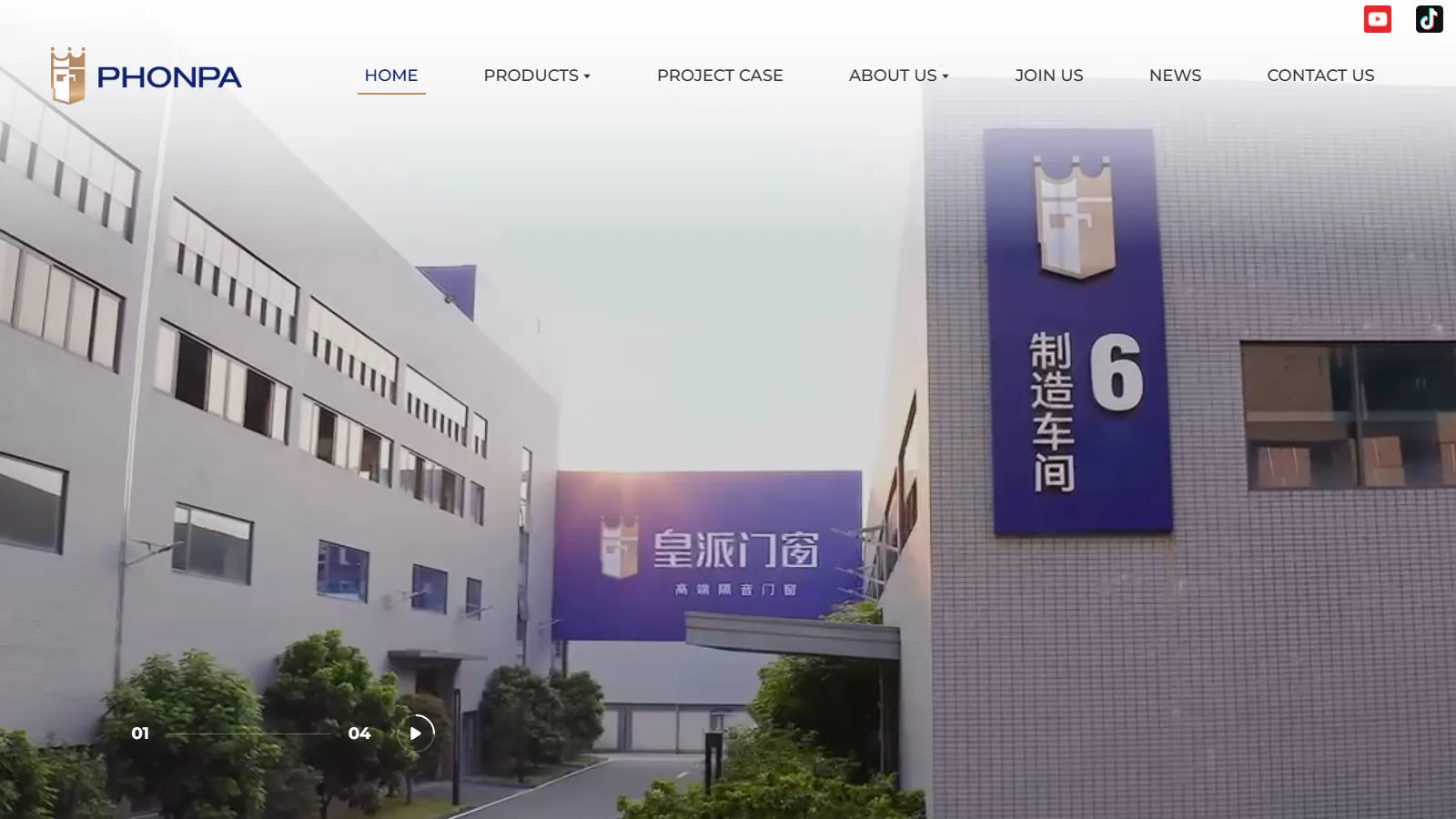
Headquarters: Sanshui, Foshan, China
Established: 2007
Key Products: Aluminium doors, windows, sunrooms
Overview: Phonpa Doors & Windows is a versatile and design-forward aluminium doors and windows manufacturer in China, excelling in modular, easy-install aluminium solutions for both residential and commercial spaces. Its acclaimed panoramic aluminium windows and bespoke sunroom systems maximise natural light ingress and architectural aesthetic appeal, making them popular choices in Australia and Southeast Asia. Phonpa operates a 40,000 m² manufacturing base in Sanshui, Foshan, equipped with advanced CNC machining centres and automated production lines certified to ISO 9001:2008 and ISO 14001:2004. Notably, Phonpa is a long-term strategic cooperation partner of LEADCNC, having repurchased LEADCNC’s intelligent aluminium production lines for four consecutive years — a testament to the transformative impact of intelligent manufacturing on Phonpa’s output quality and delivery efficiency. Its innovative designs and focus on customization have firmly reinforced Phonpa’s standing among the top aluminium door and window manufacturers worldwide.
Website: https://www.phonpacn.com/
Phonpa Doors & Windows, established in 2007 and headquartered in Sanshui, Foshan, China, is a versatile manufacturer specializing in aluminium doors, windows, and sunrooms. Operating from Foshan, a key aluminium manufacturing hub, Phonpa excels in modular aluminium solutions, with a focus on panoramic windows and sunrooms that maximize natural light and aesthetic appeal. The company serves both residential and commercial markets, with a strong export presence in Australia, Southeast Asia, and other regions. Known for innovative designs, easy installation, and customization, Phonpa has earned a reputation as a competitive player among aluminium doors and windows manufacturers. This evaluation provides an objective analysis of Phonpa’s operations, strengths, weaknesses, market position, and future prospects based on available information.
Phonpa operates a production facility spanning 40,000 square meters in Sanshui, Foshan, equipped with advanced CNC equipment and automated production lines. The company employs intensive, data-driven, and scientific management practices, adhering to international standards such as ISO 9001:2008, ISO 14001:2004, and GB/T28001-2001. Its manufacturing processes emphasize precision, enabling the production of modular aluminium doors, windows, and sunrooms that are durable, easy to install, and customizable. Phonpa’s use of high-quality, carefully selected materials ensures unique styles and excellent product performance, catering to diverse aesthetic and functional requirements. The company’s robust production capacity supports its strong export focus, particularly to markets like Australia and Southeast Asia.
Phonpa’s core offerings include aluminium doors, windows, and sunrooms, designed for both residential and commercial applications. Its panoramic windows and sunrooms are standout products, engineered to maximize natural light, enhance aesthetic appeal, and provide thermal efficiency through features like thermal break technology. The aluminium doors, including sliding and folding options, prioritize durability, security, and ease of installation, making them suitable for large-scale projects. Phonpa’s modular designs allow for high customization, accommodating various architectural styles and client specifications. However, the company’s portfolio is primarily aluminium-focused, lacking diversification into materials like uPVC, wood, or hybrid composites, which some competitors offer to capture broader market segments.
Phonpa demonstrates a commitment to sustainability by using recyclable aluminium and incorporating energy-efficient technologies, such as thermal break profiles and high-performance glazing, to reduce energy consumption in buildings. Its manufacturing processes are designed to minimize waste, and the company adheres to environmental management standards like ISO 14001:2004. These efforts align with global green building trends, enhancing Phonpa’s appeal in eco-conscious markets. However, the company could further strengthen its sustainability profile by pursuing additional certifications, such as LEED, or providing more transparent reporting on its environmental impact and material sourcing practices to bolster its green credentials.
Phonpa is a notable player in China’s aluminium doors and windows industry, competing with regional manufacturers like Wanjia Window & Door and Paiya, as well as international brands like Schüco and Reynaers. Its focus on modular, customizable, and easy-to-install solutions gives it a competitive edge in markets prioritizing efficiency and aesthetic versatility, such as Australia and Southeast Asia. Phonpa’s recognition as a professional and large-scale enterprise underscores its market strength. However, the aluminium fenestration market is highly competitive, with price sensitivity and raw material costs posing challenges. Phonpa’s emphasis on quality and innovation may limit its penetration in cost-driven segments, where lower-priced alternatives dominate.
Phonpa has a strong export focus, with products distributed to markets including the USA, Germany, Britain, France, Italy, India, Southeast Asia, and Australia. Its ability to meet global safety and performance standards, supported by certifications like ISO 9001, ensures compliance with diverse regional building codes. The company’s modular designs and emphasis on easy installation make its products particularly appealing for international developers working on time-sensitive projects. Phonpa’s export success is driven by its reputation for unique styles and high-quality materials, as noted in industry sources. However, managing complex export logistics and navigating varying international regulations require ongoing investment to maintain its global competitiveness.
Phonpa enjoys a positive reputation for innovation, quality, and reliability, particularly in export markets like Australia and Southeast Asia. Its products are praised for their aesthetic appeal, durability, and ease of installation, making them a preferred choice for residential and commercial projects. The company’s website (https://www.phonpacn.com/) showcases its product range, customization options, and project portfolio, serving as an effective platform for client engagement. Industry sources highlight Phonpa’s strong manufacturing strength and advanced marketing, contributing to its popularity in domestic and foreign markets. However, its relatively recent establishment (2007) and limited marketing efforts in some regions may hinder brand visibility compared to longer-established competitors like Paiya or global leaders.
While specific financial data is not publicly available, Phonpa’s 40,000-square-meter production facility, advanced CNC equipment, and strong export presence suggest stable revenue streams, particularly in high-demand markets like Australia and Southeast Asia. Its focus on high-quality, modular products supports profitability in mid-to-premium segments, though exposure to aluminium price volatility remains a risk. Operational efficiency, driven by automated production and adherence to ISO standards, likely optimizes costs. Expanding into emerging markets, diversifying material offerings, and integrating smart technologies could enhance long-term growth and resilience.
Phonpa Doors & Windows is a versatile and innovative player in the aluminium doors and windows industry, distinguished by its modular, customizable solutions and strong export focus. Its panoramic windows, sunrooms, and aluminium doors, backed by advanced manufacturing and a commitment to sustainability, position it well in residential and commercial markets, particularly in Australia and Southeast Asia. However, challenges such as limited material diversity, premium pricing, and intense competition require strategic adaptations. By diversifying its portfolio, enhancing global brand visibility, and embracing smart and sustainable technologies, Phonpa can further solidify its standing as a leading global fenestration provider.
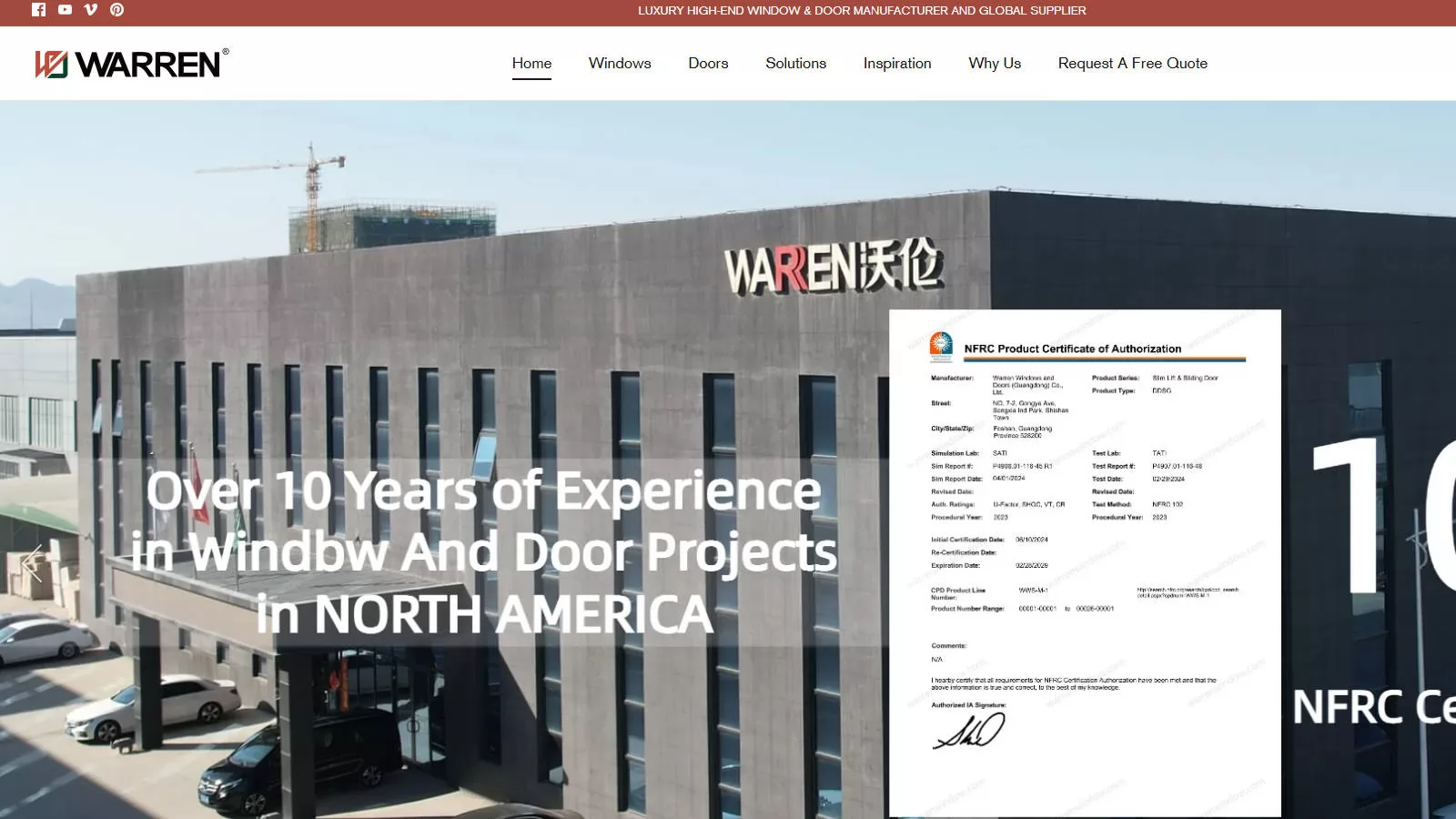
Headquarters: Beijing, China
Established: Over 10 years ago
Key Products: Luxury aluminium windows, premium doors
Overview: Warren is a premier luxury aluminium doors and windows manufacturer in China, targeting the high-end residential and hospitality market with its meticulously engineered fenestration products. Its aluminium windows and premium doors incorporate advanced thermal break technology, Low-E glass with argon-fill, warm-edge spacers, and aluminium profiles with 1.8–2.2 mm wall thickness, delivering superior insulation and acoustic performance for upscale villas, penthouses, and hotel developments. Warren operates three intelligent manufacturing bases across Beijing, Shandong, and Guangdong — spanning 150,000 m² — equipped with six German Elumatec fully automatic processing centres and an annual capacity exceeding one million m² of fenestration products. Holding NAFS, NAMI, NFRC, and CSA certifications, Warren exports significantly to North America and Europe, cementing its global prestige as a “model of door and window craftsmen” and a repeated winner of China’s “Top Ten Most Popular Window Brands” award.
Website: https://warrenwindow.com/
Warren Windows and Doors, headquartered in Beijing, China, and established over a decade ago, is a premier manufacturer specializing in luxury aluminium windows and premium doors. Targeting upscale residential and hospitality markets, Warren is recognized as one of China’s top 10 window and door manufacturers, known for its high-end products that combine advanced technology, meticulous craftsmanship, and elegant design. With significant exports to North America, Europe, and other regions, Warren has built a strong global reputation for quality and innovation. This evaluation provides an objective analysis of Warren’s operations, strengths, weaknesses, market position, and future prospects based on available information.
Warren operates multiple intelligent manufacturing bases across Beijing, Shandong, and Guangdong, covering a total area of 150,000 square meters. Its facilities are equipped with six German Elumatec fully automatic processing centers and other advanced CNC machinery, replacing traditional manpower with automated, high-precision production. The company’s annual production capacity exceeds 1 million square meters of doors and windows, supported by national-standard inspection centers. Warren’s use of thermal break technology, high-quality aluminium profiles (1.8–2.2 mm wall thickness), and tempered safety glass ensures superior insulation, soundproofing, and durability, meeting stringent international standards like NAFS, NAMI, NFRC, and CSA.
Warren’s core offerings include luxury aluminium windows (casement, sliding, and folding) and premium doors (sliding, bifold, and entry), designed for high-end residential, villa, and hospitality projects. Its products feature advanced thermal break technology, low-emissivity (Low-E) glass, argon-filled glazing, and warm-edge spacers for exceptional energy efficiency and sound insulation. The Warren 75 A/B system, for example, combines narrow-frame minimalist designs with large glazed areas, maximizing natural light and views while maintaining thermal performance. Warren also offers hurricane-impact windows engineered to withstand Category 5 hurricane-force winds, ideal for coastal regions. While its aluminium-focused portfolio excels in premium applications, it lacks diversification into materials like uPVC, wood, or composites, which some competitors offer.
Warren prioritizes sustainability by using recyclable aluminium and energy-efficient technologies, such as thermal break profiles and Low-E glass, to reduce building energy consumption. Its automated production processes minimize waste, and the company adheres to environmentally friendly manufacturing practices. Warren’s products contribute to green building standards by improving insulation and reducing carbon footprints. However, while its sustainability efforts align with industry trends, Warren could enhance its profile by pursuing globally recognized certifications like LEED or providing more transparent environmental impact reporting.
Warren is a leading player in China’s aluminium doors and windows industry, competing with domestic manufacturers like OPPEIN and Mylch, and international brands like Schüco and AluK. Its focus on luxury markets, advanced technology, and high-precision manufacturing gives it a competitive edge in premium segments. Recognized as a “model of door and window craftsmen” and a “leading brand of China’s home industry,” Warren has won awards like the Jingchuang Award’s “Top Ten Most Popular Window Brands.” However, the aluminium fenestration market is highly competitive, with price sensitivity and raw material costs posing challenges. Warren’s premium pricing may limit its appeal in cost-conscious markets.
Warren has a robust export network, serving markets in North America (e.g., USA, Canada), Europe, and beyond, with shipping times of 16–40 days to North American cities. Its products meet North American standards (NAFS, NAMI, NFRC, CSA), and the company offers comprehensive support, including customs clearance, installation manuals, videos, and door-to-door delivery. Strategic partnerships, such as with Germany’s SIEGENIA Group, enhance its credibility and access to premium hardware. Warren’s ability to provide custom solutions for architects and developers strengthens its global appeal. However, navigating diverse international regulations and managing export logistics require ongoing investment to maintain competitiveness.
Warren enjoys a strong reputation for quality, craftsmanship, and innovation, trusted by Chinese consumers and international clients alike. Its products are praised for their elegance, durability, and performance, particularly in high-end residential and hospitality projects. The company’s website (https://warrenwindow.com/) showcases its product range, technical specifications, and project case studies, supported by professional design visualizer services. Warren’s awards, including “Top Ten Household Brands Trusted by Consumers,” reinforce its credibility. However, its brand visibility in some international markets may lag behind global leaders due to its relatively recent establishment and limited marketing in certain regions.
While specific financial data is not publicly available, Warren’s large-scale manufacturing bases, advanced automation, and strong export performance suggest robust revenue streams, particularly in high-margin luxury markets. Its recognition as a top 10 manufacturer and partnerships with premium suppliers like SIEGENIA indicate financial and operational resilience. The company’s focus on high-end, energy-efficient products and comprehensive export services (e.g., customs clearance, door-to-door delivery) supports profitability. However, exposure to aluminium price volatility and competitive pressures may require strategic cost management. Expanding into emerging markets and integrating smart technologies could drive long-term growth.
Warren Windows and Doors is a premier player in the aluminium doors and windows industry, distinguished by its luxury aluminium windows and premium doors tailored for upscale markets. Its advanced manufacturing, global standards compliance, and strategic partnerships position it well in high-end residential and hospitality segments, particularly in North America and Europe. However, challenges such as limited material diversity, premium pricing, and intense competition require strategic adaptations. By diversifying its portfolio, enhancing global brand visibility, and embracing smart and sustainable technologies, Warren can further solidify its position as a leading global fenestration provider.
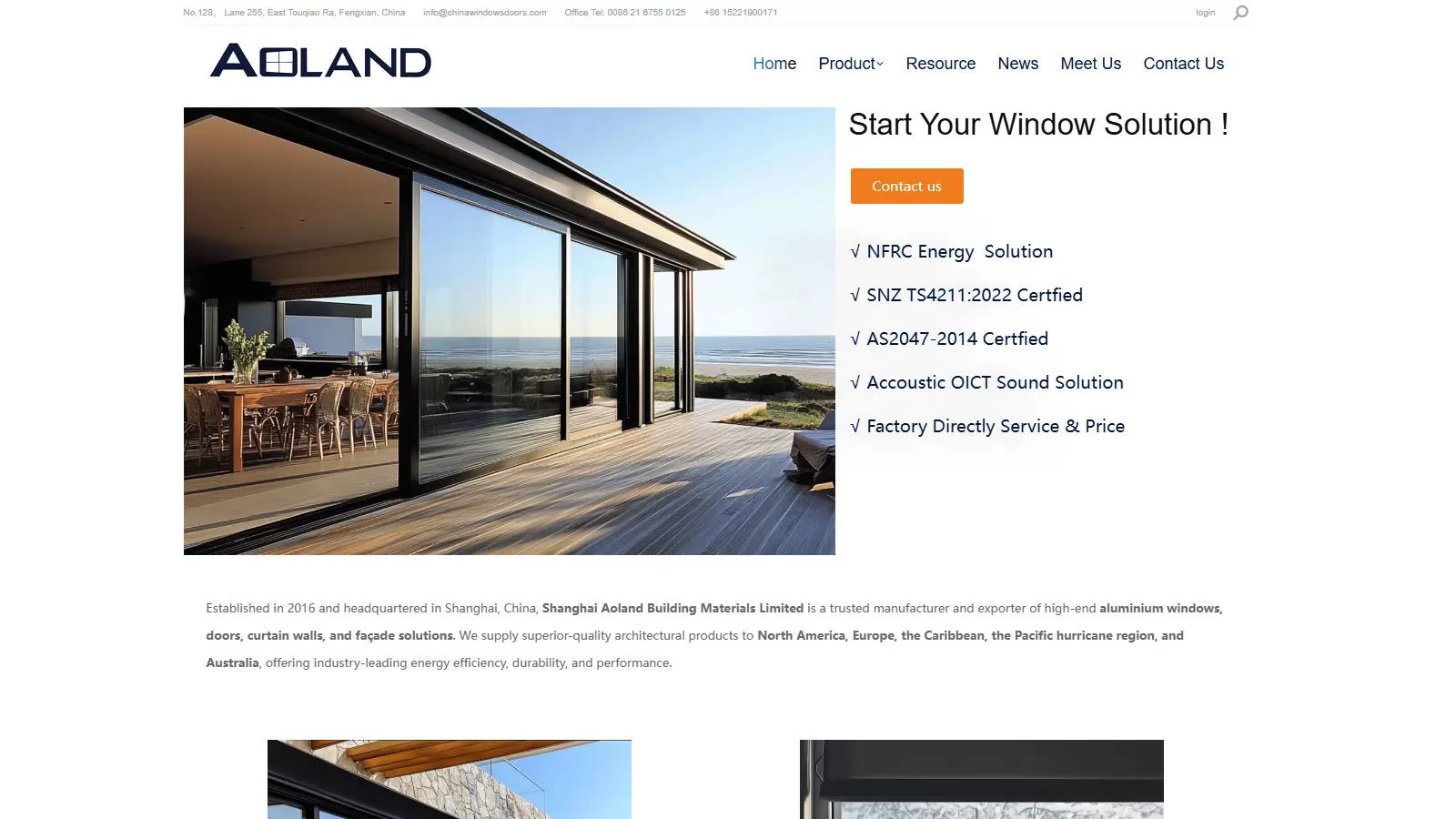
Headquarters: Shanghai, China
Established: 2016
Key Products: High-end aluminium windows, doors, curtain wall systems
Overview: Aoland is a fast-growing and highly certified aluminium windows, doors, and curtain wall manufacturer in China, specialising in integrated architectural fenestration solutions for modern commercial and premium residential developments. Its curtain wall systems — including unitized and stick systems — are staples in commercial skyscrapers and high-rise facades, delivering outstanding structural strength, thermal performance, and customizable visual aesthetics. Aoland’s comprehensive product range spans awning, casement, sliding, louvre, and fixed aluminium windows; sliding, bi-fold, French, spring, and lift-and-slide doors; plus glass louvres, balustrades, and handrails. Holding NFRC, AAMA, AS2047, and Intertek certifications, Aoland exports to North America, Europe, Australia, the Caribbean, and Pacific hurricane regions, offering a three-year product warranty and full compliance with Australian and North American building standards. Its adaptability and technical precision make Aoland a rising star among China aluminium windows and doors manufacturers in 2026.
Website: https://www.chinawindowsdoors.com/
Aoland Aluminium & Glass China, established in 2016 and headquartered in Shanghai, China, is a fast-growing manufacturer of high-end aluminium windows, doors, and curtain wall systems. Positioned as a trusted supplier of integrated solutions for modern architecture, Aoland specializes in products that combine structural strength, energy efficiency, and sleek design, catering to commercial skyscrapers and premium residential projects. With a strong export focus on markets such as North America, Europe, Australia, and hurricane-prone regions, Aoland has quickly emerged as a rising star among aluminium doors and windows manufacturers. This evaluation provides an objective analysis of Aoland’s operations, strengths, weaknesses, market position, and future prospects based on available information.
Aoland operates advanced manufacturing facilities in Shanghai, utilizing high-precision technologies such as automated CNC machining, advanced extrusion processes, and quality control systems. The company employs high-strength aluminium alloys as its core material, ensuring durability, corrosion resistance, and long-lasting performance. Its production lines are designed for scalability, enabling the manufacture of a diverse range of products, including aluminium windows (awning, casement, sliding, louver, fixed), doors (sliding, bi-fold, French, spring, lift-and-slide), and curtain wall systems. Aoland’s facilities are supported by rigorous testing, with products certified to standards like NFRC, AAMA, AS2047, and Intertek, ensuring compliance with global safety and performance requirements. The company’s focus on advanced manufacturing techniques allows for precision and customization, meeting the demands of large-scale architectural projects.
Aoland’s product portfolio centers on high-end aluminium windows, doors, and curtain wall systems, tailored for modern commercial and residential applications. Its windows include awning, casement, sliding, louver, and fixed types, offering options like single, double, or triple glazing, as well as laminated and toughened glass for enhanced insulation and safety. The door range encompasses sliding, bi-fold, French, spring, and lift-and-slide designs, emphasizing ergonomic operation and aesthetic versatility. Aoland’s curtain wall systems, including unitized and stick systems, are designed for skyscrapers and commercial facades, providing structural integrity, energy efficiency, and customizable surface treatments. Additional products include glass louvres, balustrades, and handrails, broadening its architectural offerings. While Aoland’s aluminium-focused portfolio is robust, it lacks diversification into materials like uPVC, wood, or composites, which may limit its appeal compared to competitors with broader material options.
Aoland is committed to sustainability, prioritizing energy-saving and environmentally friendly practices. The company uses recyclable aluminium and incorporates advanced insulation technologies, such as thermal break profiles and Low-E glass, to enhance energy efficiency and reduce building carbon footprints. Its manufacturing processes are designed to minimize waste, and Aoland adheres to environmental standards, as evidenced by its compliance with AS/NZS 2208 for glass quality. The company positions itself as a sustainable manufacturer, focusing on building energy-saving applications and exploring eco-friendly innovations. However, Aoland could further strengthen its sustainability profile by pursuing globally recognized certifications like LEED or providing detailed public reporting on its environmental impact and sourcing practices.
Aoland is a competitive player in China’s aluminium doors and windows industry, challenging established manufacturers like OPPEIN, Warren, and international brands such as Schüco and AluK. Its focus on high-end, integrated solutions for modern architecture, combined with cost-effective pricing and global certifications, gives it a competitive edge in premium commercial and residential markets. Aoland’s recognition as a trusted supplier, as noted on its website and industry platforms, underscores its market strength. However, the aluminium fenestration market is highly competitive, with price sensitivity and raw material costs posing challenges. Aoland’s premium positioning and relatively recent establishment (2016) may limit its penetration in cost-conscious segments or markets dominated by longer-established competitors.
Aoland has a strong export focus, supplying high-end aluminium windows, doors, and curtain wall systems to North America, Europe, Australia, the Caribbean, and Pacific hurricane regions. Its products meet stringent international standards, including NFRC, AAMA, AS2047, and Intertek, ensuring compliance with regional building codes. Aoland’s ability to offer customized extrusion profiles and surface treatments enhances its appeal to global developers seeking tailored architectural solutions. The company provides comprehensive export services, including warranty coverage (three years for glass and moving parts) and compliance with Australian and North American standards. However, managing complex export logistics, such as shipping times of 16–40 days to North America, and navigating diverse regulatory requirements require ongoing investment to maintain its global competitiveness.
Aoland enjoys a growing reputation for quality, innovation, and reliability, particularly in export markets. Its products are praised for their durability, energy efficiency, and sleek aesthetics, making them a preferred choice for commercial skyscrapers and premium residential projects. The company’s website (https://www.chinawindowsdoors.com/) showcases its product range, certifications, and project case studies, serving as an effective platform for client engagement. Industry sources highlight Aoland’s commitment to ergonomic design, high-performance manufacturing, and customer satisfaction. However, its relatively recent establishment (2016) and limited marketing efforts in some regions may hinder brand visibility compared to longer-established competitors like OPPEIN or global leaders like Schüco.
While specific financial data is not publicly available, Aoland’s advanced manufacturing facilities, global export network, and certifications suggest stable revenue streams, particularly in high-margin commercial and premium residential markets. Its recognition as a trusted supplier and partnerships with testing bodies like Intertek indicate operational resilience. The company’s focus on high-end, energy-efficient products and scalable production supports profitability, though exposure to aluminium price volatility remains a risk. Expanding into emerging markets, diversifying material offerings, and integrating smart technologies could enhance long-term growth.
Aoland Aluminium & Glass China is a fast-growing and innovative player in the aluminium doors and windows industry, distinguished by its high-end windows, doors, and curtain wall systems tailored for modern architecture. Its advanced manufacturing, global certifications, and commitment to sustainability position it well in premium commercial and residential markets, particularly in North America, Europe, and Australia. However, challenges such as limited material diversity, premium pricing, and intense competition require strategic adaptations. By diversifying its portfolio, enhancing global brand visibility, and embracing smart and sustainable technologies, Aoland can further solidify its position as a leading global fenestration provider.
China’s aluminium doors and windows sector thrives on a uniquely powerful combination of advanced intelligent manufacturing, internationally competitive pricing, continuous design innovation, and increasingly stringent global sustainability compliance. Aluminium’s intrinsic durability, corrosion resistance, design flexibility, and full recyclability make it the material of choice for residential, commercial, and high-rise building facades worldwide. The industry is rapidly evolving in 2026 with four transformative technology trends reshaping production and product capabilities across all major manufacturers:
Intelligent manufacturing and Industry 4.0: Leading manufacturers are transitioning from semi-automated to fully intelligent production lines — such as LEADCNC’s SU600, SU200, and SU100 Intelligent Aluminum Production Lines — achieving output rates of up to 2,300 pieces per 8-hour shift with a single operator, dramatically reducing per-unit labour costs and improving dimensional consistency to ±0.1 mm tolerance.
Thermal break technology and Low-E glazing: Rising global energy codes (including the EU’s Energy Performance of Buildings Directive and ASHRAE 90.1 in North America) are mandating higher thermal performance from fenestration products. Manufacturers are universally adopting polyamide thermal break profiles, double and triple Low-E glazing with argon fill, and warm-edge spacer systems to achieve U-values below 1.0 W/m²K.
Smart building integration: IoT-enabled aluminium windows and doors with integrated sensors, motorised actuators, and building management system (BMS) connectivity are becoming mainstream product offerings, particularly for commercial high-rise and smart home residential applications.
Green certification and circular economy: Buyers in Europe, North America, and Australia increasingly mandate LEED, BREEAM, or Green Star compliance. Chinese manufacturers are responding with recycled-content aluminium billet programmes, ISO 14001 environmental management certification, and EPD (Environmental Product Declaration) documentation.
In 2026, aluminium doors and windows manufacturers in China continue to dominate global exports, shipping to over 150 countries, with Foshan, Guangdong remaining the epicentre of production — housing hundreds of manufacturers of all scales within a dense, highly integrated supply chain ecosystem.
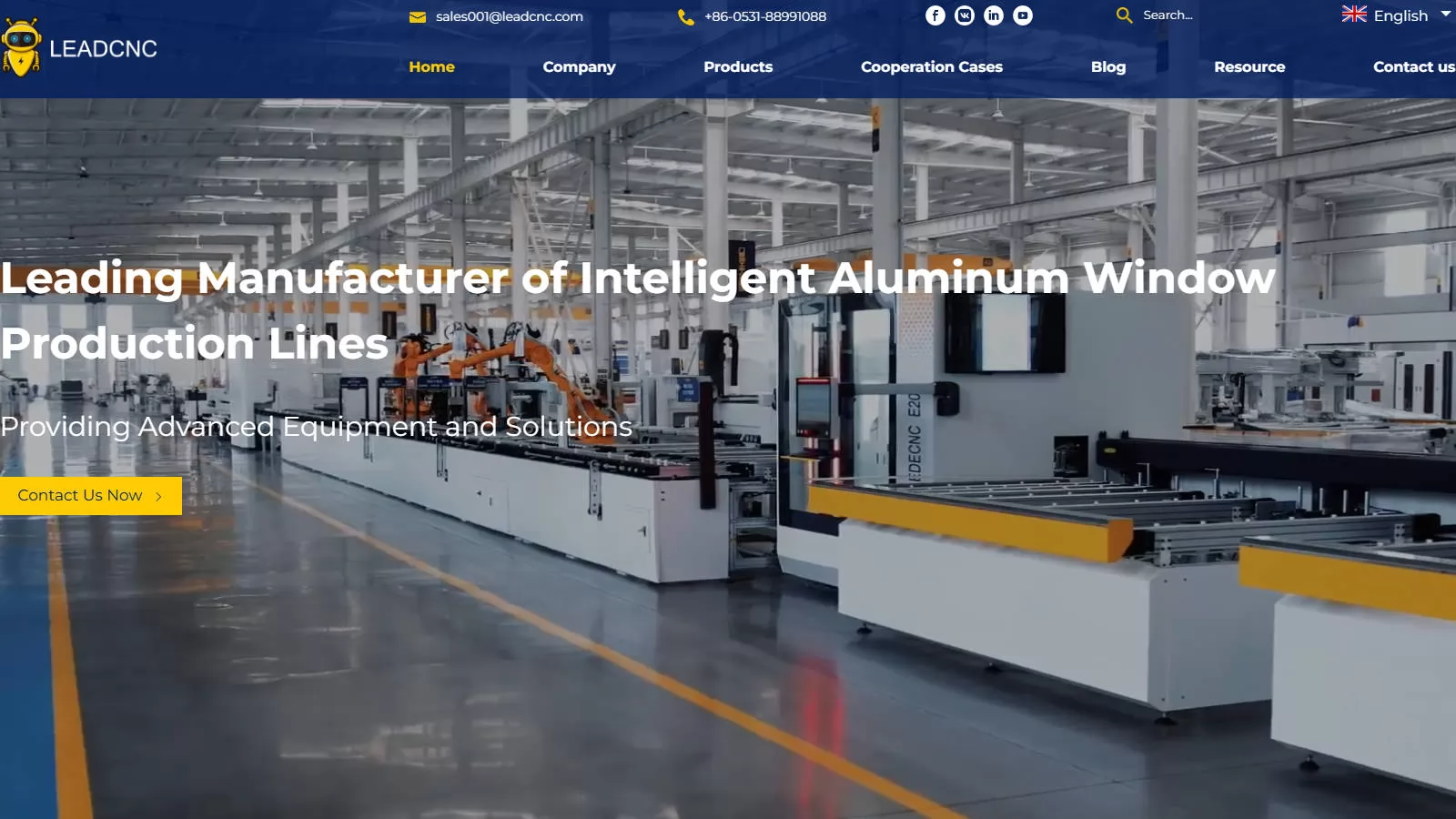
The production excellence of leading aluminium doors and windows manufacturers like Paiya, Diaosi Doors and Windows, and Phonpa Doors & Windows is substantially powered by LEADCNC’s state-of-the-art intelligent aluminium door and window production lines. Founded in 2007 and headquartered in Jinan, Shandong, LEADCNC has grown into China’s leading manufacturer of CNC aluminium profile processing machines and intelligent production line systems, holding over 200 national patents and exporting to 70+ countries worldwide.
LEADCNC’s machinery portfolio covers the full spectrum of aluminium door and window manufacturing needs:
SU600 Fully Intelligent Production Line: LEADCNC’s flagship all-rounder line, delivering 2,300 pieces per 8-hour shift with full factory layout customization. Ideal for high-volume manufacturers seeking maximum output and minimal operator involvement.
SU200 Dual-Line System: Synced dual-line architecture enabling simultaneous machining and assembly with zero bottlenecks — doubling effective throughput capacity for mid-to-large scale factories.
SU100 Intelligent Production Line: A harmonized double-line solution for manufacturers seeking balanced maximum throughput, with 1,920 pieces per 8-hour shift and comprehensive factory customization support.
S100 Laser-Equipped Machining Center: Performs drilling, milling, sawing, and end milling for aluminium profiles with full automation — 1,150 pieces per 8 hours with just 1 worker, dramatically reducing labour costs and ensuring 99.9% yield rates.
Facade & Unitized Curtain Wall Production Line: Dedicated intelligent production systems for aluminium curtain wall and high-rise facade manufacturing, enabling skyscraper-grade precision at scale.
CNC Machining Centers (Emerald F260, T300, F550 series): High-precision 3-, 4-, and 5-axis machining centers for aluminium and light alloy profiles, with seamless ERP software integration and 0.1 mm processing precision.
Aluminium Door and Window Making Machines: A comprehensive range including intelligent corner crimping machines, CNC cutting centers, end milling machines, buffer stations, and dual-robot frame glue injection lines for complete turnkey production automation.
LEADCNC’s intelligent systems solve the 10 most common pain points in aluminium window and door manufacturing — from long production cycles (reduced from 25–45 days to 7–12 days) and high labour costs (per-m² labour cost reduced from 58–98 RMB to 25–35 RMB) to quality inconsistency (99.9% yield rate) and factory floor inefficiency (5× output increase for equivalent floor space). Ordinary workers can begin operating LEADCNC lines after just 2 hours of training, eliminating dependence on scarce skilled labour.
Businesses aiming to scale aluminium door and window production, reduce per-unit costs, or upgrade to Industry 4.0 smart manufacturing can explore LEADCNC’s complete solutions at https://www.leadcnc.com/, or review real-world cooperation cases from customers including SMICK (Xuge Shanghai), PHONPA, and SAYYAS.
With our superior product quality, we have gained the firm trust and continuous repurchase from many customers. From the selection of raw materials, to each meticulous and rigorous production process, to the rigorous quality inspection, we always uphold the ultimate pursuit and awe of quality. This ensures the stability and reliability of product performance and outstanding durability.
Selecting the ideal aluminium doors and windows manufacturer in China for your specific project type is a critical decision that impacts cost, quality, delivery timelines, and long-term after-sales support. Use the following project-type framework as a starting point:
Luxury Residential and High-End Villa Projects: OPPEIN, Mylch, Warren, and Diaosi offer premium-grade, customizable aluminium solutions with advanced soundproofing, thermal break technology, and bespoke design capabilities ideal for luxury specifications.
Large-Scale Commercial Developments and Curtain Walls: Aoland and Mannlee excel in high-volume aluminium curtain wall systems, glass facades, and commercial-grade windows for skyscrapers, office parks, and mixed-use developments.
Export and International Distribution: Warren and YY Windows provide fully certified aluminium products (NAFS, NAMI, NFRC, CSA, AAMA) with comprehensive export logistics support for North American and European markets.
Cost-Optimised and High-Volume Projects: Wanjia and Paiya deliver an excellent balance of competitive pricing, production scalability, and quality consistency for developers managing tight cost budgets on large residential or commercial schemes.
Coastal and Hurricane-Prone Regions: YY Windows and Warren produce impact-resistant aluminium fenestration tested and certified for hurricane-force wind loads and driving rain, making them the clear choice for coastal construction in Florida, the Gulf Coast, the Caribbean, and typhoon-belt Asia-Pacific markets.
Australia and Southeast Asia Projects: Phonpa and Aoland have particularly strong track records serving Australian and Southeast Asian markets, with AS2047 compliance and modular, easy-install product designs suited to these regions’ construction practices.
Sourcing aluminium windows and doors from China manufacturers can deliver significant cost advantages — typically 30–50% lower than equivalent products manufactured in Western Europe or North America — but requires a structured procurement approach to manage quality, certification, and logistics risks effectively:
Define your technical specification upfront: Before approaching manufacturers, prepare a detailed scope including window/door types, dimensions, glass specification (U-value, SHGC, acoustic rating), frame finish (anodized, powder-coated, PVDF colour), hardware requirements, and applicable building code certification requirements for your target market.
Verify certifications independently: Request original test reports from accredited third-party laboratories (Intertek, SGS, Bureau Veritas, AAMA, NFRC) rather than relying on manufacturer-supplied photocopies. Confirm that certifications apply to the specific product configurations and sizes you intend to purchase.
Request factory samples and conduct a factory audit: Order physical samples of all specified products before placing production orders. For significant procurement volumes, commission an independent factory audit to assess manufacturing capability, quality management systems, and production capacity.
Understand lead times and logistics: Manufacturing lead times for custom aluminium windows and doors from China typically range from 15–45 working days depending on complexity and order volume. Sea freight transit times add 20–40 days to North America, Europe, or Australia. Plan accordingly for project scheduling.
Clarify warranty and after-sales terms: Reputable manufacturers provide 2–5 year warranties covering frame integrity, glass seal performance, hardware function, and surface finish. Confirm warranty claim procedures and the manufacturer’s responsiveness to defect reports from overseas buyers before committing to a supplier relationship.
Q: Which city in China is best known for aluminium doors and windows manufacturing?
A: Foshan, Guangdong Province is widely regarded as the global capital of aluminium doors and windows manufacturing. Five of the ten manufacturers featured in this guide — Mannlee, Paiya, Diaosi, Wanjia, and Phonpa — are headquartered in Foshan, which hosts hundreds of aluminium profile extruders, hardware suppliers, glass processors, and fenestration manufacturers within a tightly integrated supply chain ecosystem. Shanghai, Beijing, and Guangzhou are also important production centres.
Q: What certifications should I look for when buying aluminium windows from China?
A: The relevant certifications depend on your target market. For North America: AAMA 2100/2605 (finish), NFRC (thermal performance), NAFS/AAMA/WDMA (structural/water/air performance), and for Canada: CSA A440. For Europe: CE marking per EN 14351. For Australia and New Zealand: AS2047 and AS/NZS 2208. For general international quality assurance: ISO 9001. Always request original test reports from accredited laboratories.
Q: How do Chinese aluminium window manufacturers achieve such competitive pricing?
A: China’s pricing advantage in aluminium fenestration is driven by several structural factors: domestic aluminium smelting capacity that keeps raw material costs 20–30% below world market prices; highly automated production lines (such as those supplied by LEADCNC) that dramatically reduce per-unit labour costs; dense, co-located supply chains in manufacturing hubs like Foshan that minimise logistics and component costs; and large-scale production volumes that enable significant economies of scale. In 2026, the shift to intelligent manufacturing is further reducing per-unit costs for high-volume producers.
Q: What is thermal break technology in aluminium windows?
A: Thermal break technology involves inserting a strip of low-conductivity polyamide (nylon) material between the outer and inner aluminium frame sections, interrupting the path of heat conduction through the metal profile. This significantly reduces heat transfer through the frame, improving the window’s overall thermal insulation performance (lower U-value), reducing condensation on interior frame surfaces, and improving occupant comfort. Thermal break aluminium windows are standard for all modern energy-efficient and green building applications.
Q: How is LEADCNC connected to the aluminium windows and doors industry?
A: LEADCNC (leadcnc.com) is China’s leading manufacturer of intelligent aluminium door and window production lines and CNC machining centers for aluminium profile processing. Rather than manufacturing windows and doors itself, LEADCNC supplies the automated manufacturing equipment — including the SU600, SU200, SU100, and S100 intelligent production lines — that enables aluminium fenestration manufacturers like Phonpa, SMICK (Xuge), and SAYYAS to achieve Industry 4.0 levels of production efficiency, quality consistency, and cost competitiveness.
Q: What is the minimum order quantity (MOQ) for aluminium doors and windows from China?
A: MOQ varies significantly by manufacturer and product type. For standard catalogue products, some manufacturers will accept small trial orders of 10–50 pieces. For custom aluminium windows and doors with bespoke dimensions, finishes, or glass specifications, MOQ is typically 50–200 pieces per SKU. For large commercial projects, manufacturers commonly work on a project-specific basis with no formal MOQ constraint. Contact manufacturers directly with your project specifications to obtain accurate MOQ and pricing information.
China’s aluminium doors and windows market is on a sustained growth trajectory through 2032, with the global aluminium fenestration market projected to reach a value of $112.902 billion, as reported in the Aluminum Doors and Windows Market Size, Share, Growth | 2032. Several powerful macro trends will shape the industry over the next decade:
Accelerating green building mandates: Tightening energy codes in the EU (EPBD recast), North America (updated ASHRAE and building codes), Australia (NCC 2026 energy provisions), and emerging markets will drive relentless demand for higher-performance thermal break, triple-glazed, and low-U-value aluminium fenestration products.
Smart building and IoT integration: The convergence of aluminium windows and doors with smart home and building automation systems — motorised openings, integrated sensors, automated shading — will create premium product segments commanding significantly higher margins than conventional fenestration.
Intelligent manufacturing revolution: Manufacturers investing in intelligent aluminium production lines from suppliers like LEADCNC are rapidly pulling ahead of competitors still reliant on semi-automated or manual production, achieving order-of-magnitude improvements in output, quality, and cost competitiveness.
Emerging market urbanisation: Southeast Asia, Africa, the Middle East, and Latin America represent the fastest-growing demand regions for aluminium fenestration, driven by rapid urban construction and growing middle-class housing demand — creating significant export growth opportunities for established Chinese manufacturers.
China’s top 10 aluminium doors and windows manufacturers in 2026 — from OPPEIN’s custom thermal break solutions and Warren’s luxury certified windows to Phonpa’s panoramic modular systems and Aoland’s high-rise curtain walls — collectively represent the most comprehensive, cost-competitive, and technically advanced manufacturing ecosystem in the global aluminium fenestration industry. Whether you require premium residential products, large-scale commercial curtain walls, impact-resistant coastal fenestration, or competitively priced high-volume solutions, a qualified Chinese manufacturer exists to meet your specification, certification, and budget requirements.
The competitive manufacturing prowess of these top producers is substantially underpinned by intelligent production technology. LEADCNC’s advanced aluminium door and window production lines, curtain wall production systems, and CNC machining centers are the invisible engines of quality and efficiency driving many of China’s finest manufacturers. Visit https://www.leadcnc.com/ to explore cutting-edge aluminium window making machine technology and discover how intelligent manufacturing can transform your own aluminium production operation.

Discover the top 10 aluminium doors and windows manufacturers in China for 2026, including OPPEIN, Mannlee, and Paiya. Explore their innovative aluminium solutions, from energy-efficient windows to luxury doors, backed by LEADCNC’s advanced production lines.

Discover 2025's top 10 VMC machine manufacturers worldwide. Compare leading brands for innovation, reliability and value to find your ideal vertical machining center.
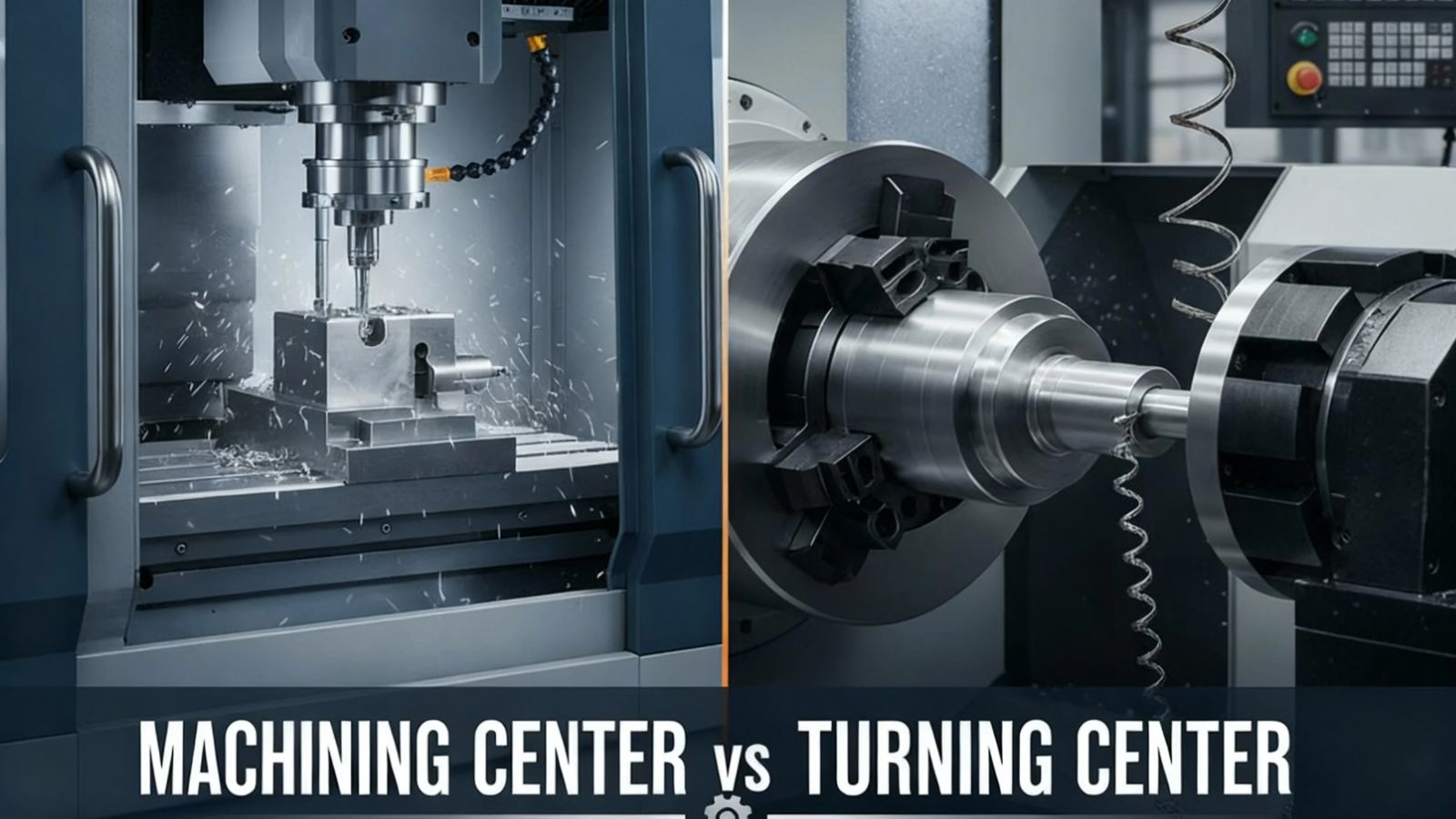
Understand the key differences between machining centers and turning centers. A guide for engineers and procurement on operational capabilities, precision, and selection criteria for CNC equipment.

Compare 3-jaw vs 4-jaw chucks for turning operations. Learn the differences in self-centering, precision (runout), setup time, and how to choose the optimal chuck for high-volume or irregular workpieces.


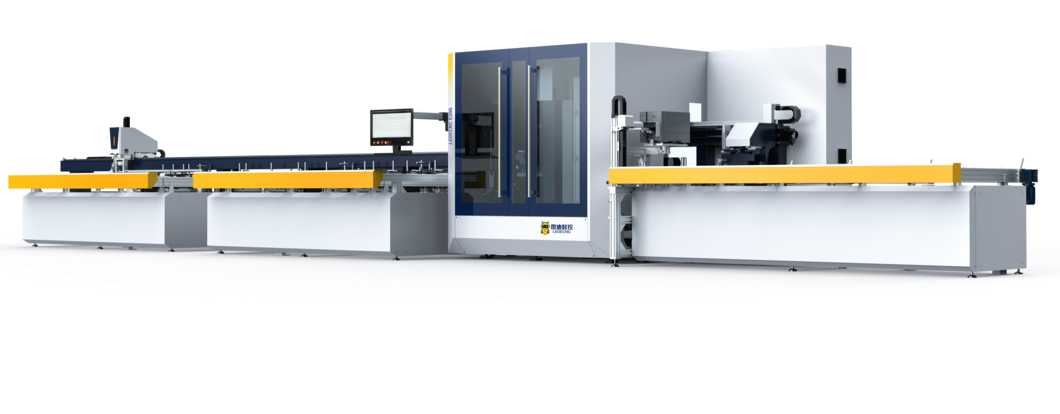









.png)